Introduction
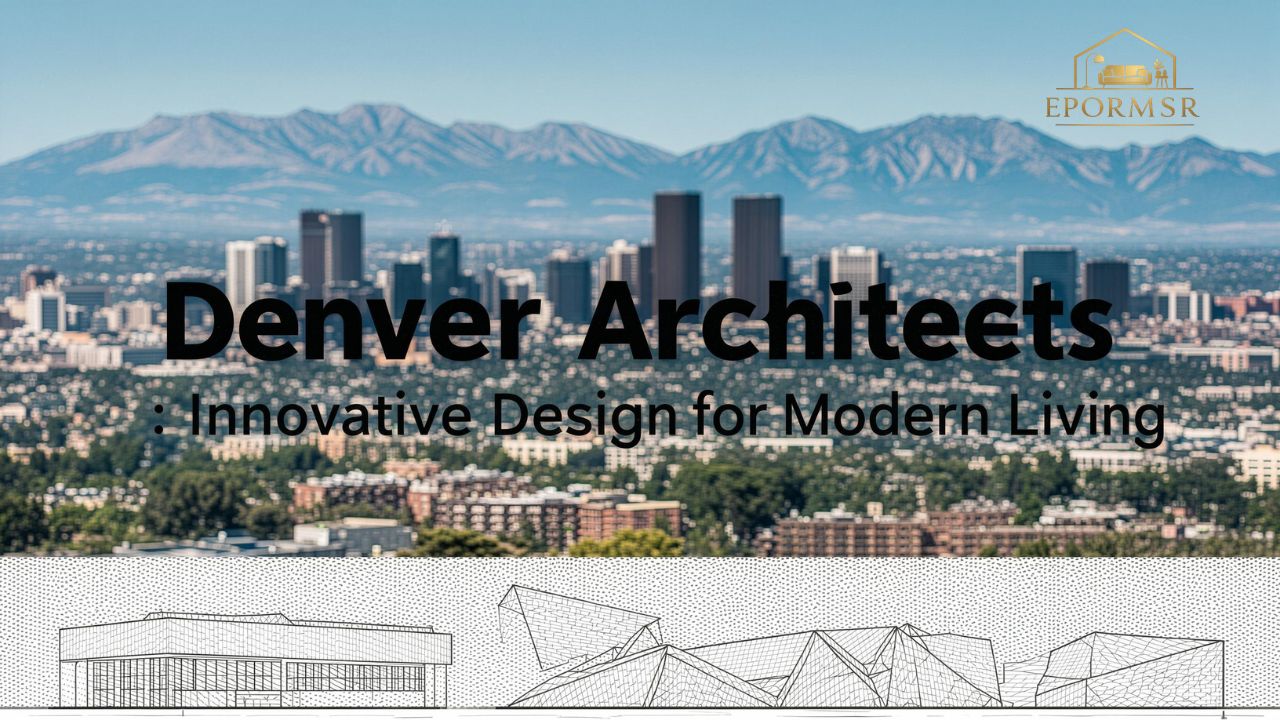
Cities are living stories written in steel, glass, stone, and imagination. In a place like Denver—where the Rocky Mountains meet a thriving urban skyline—architecture becomes more than construction. It becomes an expression of lifestyle, environment, and culture. That’s where denver architects play a remarkable role in shaping how people live, work, and experience the city.
Whether it’s a sleek downtown office tower, a sustainable residential community, or a modern mountain retreat overlooking the Front Range, architecture in Denver reflects innovation and regional identity. The city’s rapid growth has created exciting opportunities for visionary designers who blend natural beauty with contemporary living.
For homeowners, developers, and business owners, understanding how architects in Denver approach design can help turn ambitious ideas into meaningful spaces.
The Role of Architecture in Denver’s Urban Growth
Denver has experienced remarkable expansion over the past two decades. With population growth, economic development, and urban revitalization projects, the city has become one of the most dynamic architectural environments in the United States.
Urban Expansion and Smart Planning
Thoughtful urban planning has been central to Denver’s transformation. Architects collaborate closely with city planners and developers to design neighborhoods that balance density, accessibility, and livability.
Key goals include:
- Creating walkable communities
- Integrating public transportation access
- Preserving historic districts
- Developing mixed-use buildings
This approach ensures the city grows without losing its unique character.
Blending Nature with City Living
One defining aspect of denver architects is their ability to integrate the natural landscape into architectural design. The city’s proximity to mountains, rivers, and parks influences how buildings are positioned, shaped, and constructed.
Design strategies often include:
- Large panoramic windows for mountain views
- Outdoor living spaces such as terraces and decks
- Natural materials like stone and wood
- Energy-efficient insulation suited for Colorado’s climate
Design Philosophy of Denver Architects
Architecture in Denver often reflects a blend of innovation, sustainability, and regional identity. Many firms prioritize design solutions that respond to both environmental and cultural contexts.
Contextual Architecture
Contextual architecture means designing structures that respect their surroundings. Instead of imposing a building onto a site, architects analyze factors like:
- Local climate conditions
- Topography
- Sun exposure
- Neighborhood character
By responding to these elements, architects create buildings that feel naturally integrated into their setting.
Modern Mountain Style
One popular aesthetic associated with denver architects is the “modern mountain” style. This design approach combines rustic materials with contemporary forms.
Characteristics include:
- Exposed timber beams
- Steel and glass facades
- Clean geometric lines
- Natural stone accents
The result is a sophisticated design that honors Colorado’s rugged landscapes while embracing modern architecture.
Residential Architecture Trends in Denver
Denver’s housing market has driven a surge in creative residential design. Architects are developing homes that combine functionality, sustainability, and distinctive style.
Custom Luxury Homes
Custom homes allow homeowners to create spaces tailored to their lifestyle. Many Denver residences feature open-concept layouts, large windows, and seamless indoor-outdoor transitions.
Common features include:
- Floor-to-ceiling glass walls
- Rooftop terraces
- Energy-efficient heating systems
- Smart home automation
Sustainable Residential Design
Sustainability is central to modern residential architecture in Denver. Architects frequently incorporate eco-friendly technologies such as:
- Solar panel integration
- High-performance insulation
- Passive heating and cooling
- Recycled construction materials
These features reduce environmental impact while lowering long-term energy costs.
Commercial Projects and Urban Landmarks
Beyond residential spaces, denver architects contribute significantly to commercial and civic architecture throughout the city.
Office Buildings and Innovation Hubs
Modern office spaces emphasize flexibility and employee well-being. Architectural designs now focus on:
- Natural lighting
- Collaborative workspaces
- Green roofs
- Indoor greenery
These elements improve productivity and create healthier work environments.
Cultural and Public Architecture
Denver’s cultural landmarks showcase the creativity of its architectural community. Museums, performance halls, and public plazas demonstrate how architecture can shape social interaction.
Examples of architectural priorities include:
- Iconic visual identity
- Accessible public spaces
- Cultural storytelling through design
- Durable materials for long-term sustainability
Sustainable Architecture in Denver
Sustainability has become a defining feature of architectural projects across Colorado.
Energy-Efficient Building Systems
Energy efficiency begins with thoughtful building design. Architects incorporate passive strategies such as:
- Optimal building orientation
- Thermal mass materials
- Natural ventilation systems
These strategies reduce energy consumption while maintaining indoor comfort.
Green Certifications
Many projects pursue sustainability certifications such as:
- LEED certification
- ENERGY STAR compliance
- Net-zero energy design
These standards encourage environmentally responsible construction practices.
Sustainability is not simply a trend—it is becoming a core philosophy among denver architects.
The Design Process: From Vision to Reality
Architectural projects typically follow a structured process that ensures both creativity and practicality.
1. Concept Development
The project begins with conversations between the architect and client. Goals, budget, and design preferences are discussed to shape the overall concept.
2. Design Planning
Architects create sketches, digital models, and site studies. These visualizations allow clients to explore how spaces will function.
3. Construction Documentation
Detailed plans, materials lists, and technical drawings are prepared for builders and contractors.
4. Construction Oversight
Many architects remain involved throughout construction, ensuring the design is executed accurately and efficiently.
Choosing the Right Architect in Denver
Selecting an architect can significantly influence the success of a project. Several factors should be considered before making a decision.
Experience and Portfolio
Reviewing previous projects provides insight into an architect’s style and expertise. Look for work that aligns with your vision.
Communication Style
Successful projects rely on strong collaboration. Choose an architect who communicates clearly and listens carefully to your ideas.
Understanding of Local Regulations
Experienced denver architects are familiar with zoning laws, building codes, and permitting requirements, which helps avoid delays during construction.
Sustainability Expertise
If environmental responsibility is a priority, look for architects with experience designing green or energy-efficient buildings.
Future Architecture Trends in Denver
Denver’s architecture scene continues to evolve as new technologies and lifestyles influence design.
Smart Buildings
Smart technology is transforming buildings into responsive environments. Features may include automated lighting, climate control, and integrated security systems.
Mixed-Use Developments
Mixed-use developments combine residential, retail, and office spaces within a single area. These projects support walkable neighborhoods and reduce commuting.
Adaptive Reuse
Rather than demolishing older buildings, architects increasingly repurpose historic structures into modern spaces. This preserves cultural heritage while supporting sustainability.
The continued innovation of denver architects ensures the city remains one of the most exciting architectural landscapes in the country.
FAQ
What services do denver architects typically offer?
Architects in Denver provide services including building design, site analysis, construction documentation, project management, and interior spatial planning.
How much does it cost to hire an architect in Denver?
Architectural fees vary depending on project size and complexity. Fees may range from 5% to 15% of total construction costs.
Do architects help with building permits?
Yes. Architects often prepare documentation required for permits and ensure projects comply with city regulations and building codes.
Can architects design eco-friendly homes?
Many architects specialize in sustainable design, incorporating energy-efficient materials, renewable energy systems, and green building strategies.
How long does an architectural project take?
Timelines depend on project scope. Residential projects may take several months for design and approvals, while larger developments can take years.
Are architects involved during construction?
Yes. Architects frequently oversee construction to ensure the design is implemented correctly and any issues are addressed promptly.
What is modern mountain architecture?
Modern mountain architecture blends contemporary design with natural materials such as wood and stone, creating homes that harmonize with Colorado landscapes.
Do architects work with interior designers?
Many architectural firms collaborate with interior designers to ensure a cohesive aesthetic throughout the entire building.
Conclusion
Architecture in Denver reflects a unique blend of creativity, environmental awareness, and cultural identity. From elegant residential homes to striking commercial landmarks, denver architects play a vital role in shaping spaces that define how people live and interact with their surroundings.
As the city continues to grow, architecture will remain central to Denver’s evolution. Through sustainable practices, innovative design, and thoughtful urban planning, architects are helping create a future where buildings are not only functional but also inspiring.